Our First SOURCE Study Update
December 4, 2025
 Since our launch one year ago, SOURCE has enrolled more than 700 individuals into our study. Each one of these individuals – patients, parents, siblings, and children of single ventricle patients – has generously donated their genetic and clinical information in the shared belief that research holds hope for better treatments, outcomes, and quality of life with single ventricle heart disease.
While researchers’ focus will be digging deeply into the genetic and clinical data in the SOURCE dataset, we see more than just data. We see:
- 700+ personal stories of the impact of single ventricle.
- 700+ important reasons to participate in single ventricle research.
- 700+ helpful voices, urging researchers to move quickly, to make the discoveries needed to unlock new treatments and, ultimately, cures for single ventricle.
It has been a year of hard work, tremendous progress, and proof that the single ventricle patient and family community enthusiastically supports research to unlock the mysteries of single ventricle genetics and biology. We are just getting started and can’t be more appreciative of each and every patient and family member who has joined the SOURCE study.
We will keep these study updates coming to keep you aware of our study progress, the research underway, and the discoveries made possible through your participation in SOURCE.
Study Progress to Date
We are enrolling participants online through svsource.org and in participating clinics. In April, we launched our first in-clinic recruitment site at Boston Children’s Hospital.
Below is a snapshot of our enrollment statistics to date:
- 700+ total participants have already enrolled in SOURCE
- 335+ have enrolled at our first in-clinic recruitment site, Boston Children’s Hospital (193 patients and 161 family members)
- 345+ have enrolled online, directly on the SOURCE website (182 patients and 163 family members)
- 44 out of 50 states are represented in the SOURCE dataset
- 10+ single ventricle diagnoses are represented in the SOURCE dataset
- Nearly 500 participants have already had their DNA samples sequenced
- Nearly 300 of 375+ patients enrolled have already had their medical records collected
In 2026, we anticipate adding at least 5-7 additional cardiology centers as SOURCE recruitment sites. Additionally, we are developing partnerships with several institutions that have their own genetic studies to enable sample sharing into SOURCE. This will help us grow the SOURCE dataset much more quickly.
Science Spotlight
We are very excited about our planned launch of the SOURCE dataset – what we call reSOURCE – in October 2026. This will be a pivotal time for SOURCE as it marks the start of research made possible through the study. As research gets underway, we look forward to sharing information about the research questions being explored and discoveries that are made.
The genetic and clinical data in SOURCE will allow researchers to:
- Find genes or molecular pathways that increase risk of single ventricle heart defects.
- Predict which patients are at risk of certain complications.
- Develop new treatments that target specific complications.
- Discover biological markers that predict which treatments may work best for which patients.
- Develop ways to tailor care and treatments to a patient’s specific genetics and biology.
- Maybe even develop cures for single ventricle.
This approach has already transformed other areas of medicine. For example, large-scale genetic studies in cardiomyopathies (heart muscle disease) and arrhythmias have helped identify genes that cause disease, improve early diagnosis, and guide treatment that matches a person’s genes. Similar breakthroughs have occurred in cancer, where understanding tumor genetics has led to personalized therapies that dramatically improve outcomes. We believe this kind of transformative change is possible in single ventricle as well.
Progress So Far
The SOURCE team has been carefully collecting and processing genetic and clinical data to make sure it is complete, accurate, and de-identified (so that no participant can be identified). DNA samples from participants are being sequenced, which lets researchers study the genes within the DNA and begin answering important questions about single ventricle heart defects – such as which genes may increase risk, who may be more likely to develop certain complications, and which treatments may work best for which patients.
So far, we have sequenced over 500 samples from SOURCE participants, including 259 samples from individuals with single ventricle (132 adults and 127 minors) and 247 samples from their family members. Patients represent all single ventricle diagnoses, with hypoplastic left heart syndrome the most common (36%), followed by tricuspid atresia (13%) and hypoplastic right heart (11%).
Secondary Genetic Results
As explained during the consent process, we are unable to return primary genetic results to SOURCE participants – findings about specific genetic causes of single ventricle. This is because we do not yet know which genes or variants cause the disease. However, we are able to return “actionable secondary results” to participants who opt in during the consent process. These results are not related to single ventricle but are linked to other health conditions that have screening, prevention, or treatment recommendations.
As of August 2025, 22 of the 500 sequenced SOURCE participants (about 8%) were found to have an actionable secondary result, including both single ventricle patients and family members. Nearly half of these findings occurred in families where more than one participant had the same finding. Approximately half were related to cardiovascular conditions (not single ventricle). Interestingly, this 8% incidence is higher than what is seen in the general population, which is 1-3%. While we do not yet understand the significance of this finding, it is one of the questions researchers will dig into when reSOURCE launches.
Meet the SOURCE Team
 Diane M. Pickles, Director
“As the mother of an adult with HLHS, I know first-hand how desperately single ventricle patients and their families need new treatments that will enable longer, healthier lives. The SOURCE study gives me great hope for the future for all single ventricle patients, those alive today and those born in the future. It is a true honor to direct this ground-breaking study.”
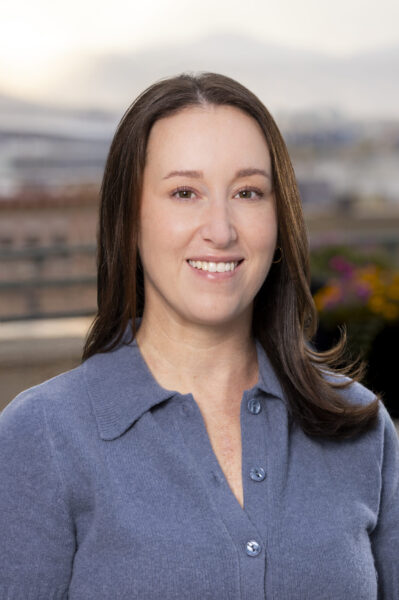 Taylor MacLean, Program Manager
Oversees all participant recruitment, support and communications.
“If you’ve reached out to SOURCE with any questions or support needs, we have most likely already ‘met’! My favorite part of my job is the opportunity to talk and connect with patients and their families who have so generously shared their most valuable data and information with us. We are so grateful to be working toward the shared mission of SOURCE with all of you!”
 Courtney Steger, PhD, Program Manager
Oversees data analysis processes and researcher access to the dataset.
“I’m inspired every day by the willingness of SOURCE participants to share their data and experiences. Each contribution, each sequence, each clinical record helps us build a dataset of unprecedented depth – one that will finally give researchers the tools to pursue questions that have remained out of reach for far too long. I’m honored to help shape this reSOURCE and be part of the effort that will move the field forward.”
How You Can Support SOURCE
Whether you are a single ventricle patient or family member, a clinician working with single ventricle patients, or a researcher, there are many ways you can support SOURCE.
- Spread the word about SOURCE to eligible patients and family members living in the US. This includes all single ventricle patients (all ages and stages, including post-transplant) and their immediate biological family members. They can enroll at svsource.org.
- Tell us why you think SOURCE is important! We would love to share your thoughts in a future study update or social media post. Click HERE to share your comments.
- Join SOURCE as an in-clinic recruitment site. If you are a clinician interested in enrolling patients and families into SOURCE in your clinic, please reach out to us at contact@svsource.org.
- Advance scientific research using SOURCE data. If you are a researcher, stay tuned for our first data release in October 2026.
- Share this study update with others!
- Let us know if you have any questions or suggestions, by emailing us at contact@svsource.org.
With hope and appreciation,
The SOURCE Team at Additional Ventures